History of Abuja: Origins From Gbagyi Heartland to Nigeria’s Capital
I. Indigenous Foundations: The Land Before the Capital
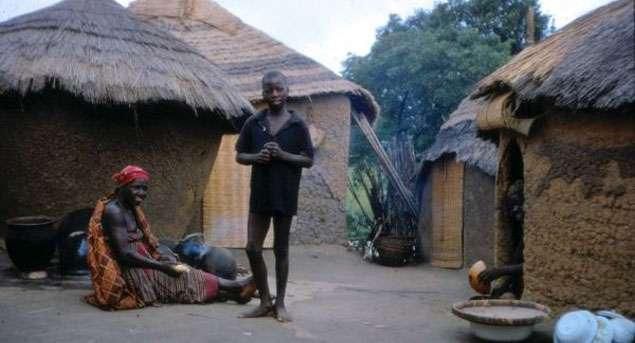
Long before Abuja became the political heart of Nigeria, the region formed part of a culturally rich Middle Belt landscape inhabited primarily by the Gbagyi (Gwari) people, alongside the Koro, Gwandara, Bassa, Afo, and Ganagana communities.
 |
| History of Abuja |
 |
| History of Abuja |
 |
| History of Abuja |
 |
| History of Abuja |
The Gbagyi were among the earliest known settlers in central Nigeria. Traditionally agrarian, they cultivated crops such as yam, millet, and maize, and were highly regarded for their pottery and weaving. Their social organization centered on clan-based leadership structures and spiritual systems tied closely to the land.
Unlike the large centralized emirates of northern Nigeria, the societies of this region were more decentralized. However, by the 19th century, the spread of the Sokoto Caliphate’s influence altered regional political dynamics. The nearby emirate town that later bore the name Abuja emerged during this era.
II. The Original “Abuja”: From Zuba to Suleja
The name Abuja did not originally refer to today’s capital city. It belonged to a town north of the present Federal Capital Territory (FCT).
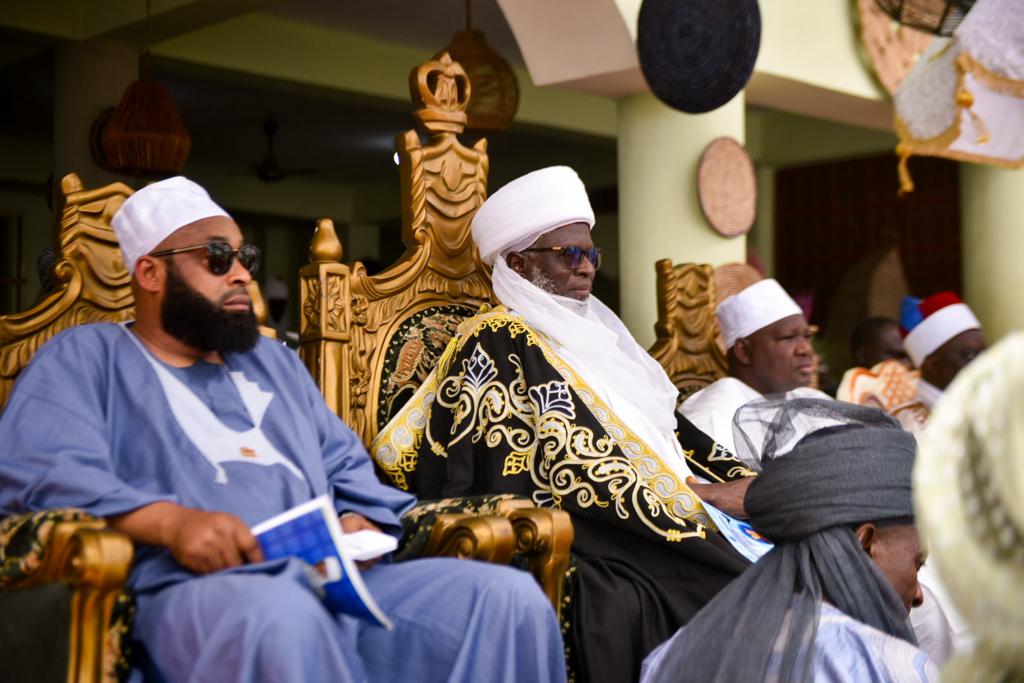
In the early 19th century, following the Fulani Jihad led by Usman dan Fodio, an emirate known as Abuja was established. Its ruler, Abu Ja (from whom the name “Abuja” is believed to derive), founded a settlement that became an important regional center.
During British colonial administration under United Kingdom rule, Abuja Emirate remained under indirect rule. After Nigeria’s independence in 1960, the town retained its historic name until 1976, when it was renamed Suleja to avoid confusion with the newly designated federal capital.

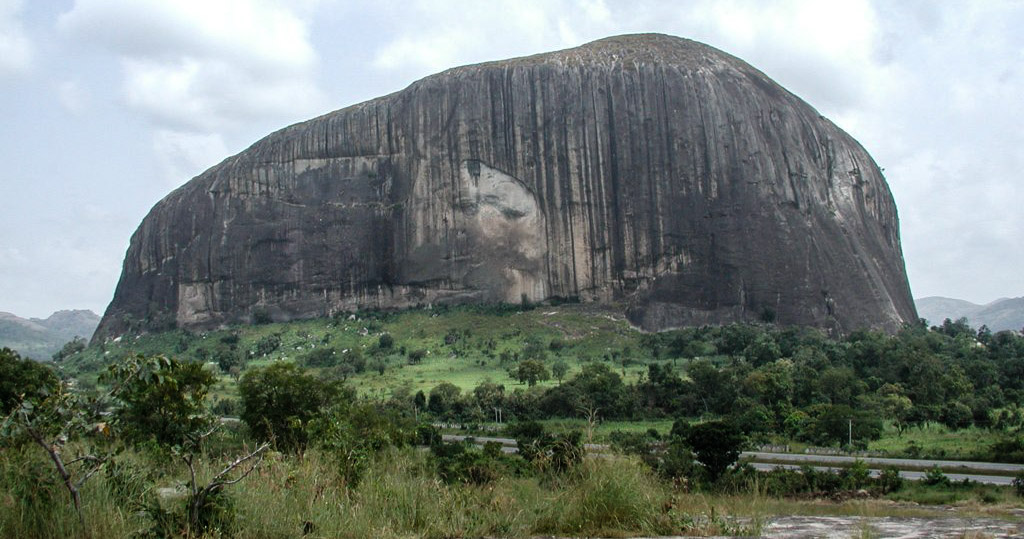

Nearby landmarks such as Zuma Rock — a massive granite monolith rising dramatically above the plains — became enduring geographic symbols of the region.
III. Lagos Overcrowded: The Search for a Neutral Capital
By the 1960s and 1970s, Lagos had grown into a megacity. As Nigeria’s former capital, it faced severe challenges:
Extreme congestion
Ethnic-political symbolism tied heavily to the Yoruba southwest
Limited space for expansion
Infrastructure strain
Following the devastating Nigerian Civil War, national unity became a central political priority. Leaders sought a capital that would:
Be geographically central
Belong to no dominant ethnic group
Allow for controlled urban planning
Symbolize a fresh national beginning
In 1975, a panel led by Justice Akinola Aguda recommended relocating the capital.
On 4 February 1976, Head of State Murtala Mohammed announced the creation of the Federal Capital Territory (FCT) through Decree No. 6. Approximately 8,000 square kilometers were carved from what are now Niger State, Kaduna State, Kogi State, and Nasarawa State.
The FCT was placed directly under federal control — not any state government — reinforcing its neutrality.
IV. Designing a New Capital: The Abuja Master Plan
Nigeria envisioned not just a new administrative center, but a purpose-built modern capital comparable to:
Brasília
Canberra
Washington, D.C.
The master planning contract was awarded to International Planning Associates (IPA), a consortium of American firms. Later, the Japanese architect Kenzo Tange designed the monumental central district.


The Abuja Master Plan introduced:
A ceremonial Central Business District (CBD)
A clearly defined Three-Arms Zone (Executive, Legislature, Judiciary)
Carefully zoned residential districts
Green belts and park systems
Wide arterial highways
The agency overseeing development, the Federal Capital Development Authority (FCDA), became responsible for phased construction.
V. Relocation and Official Transfer (1991)
Although construction began in the late 1970s, political instability and economic downturns slowed progress. Under military ruler Ibrahim Babangida, the federal government formally relocated to Abuja on 12 December 1991.
Key institutions moved from Lagos, including:
The Presidency
The National Assembly of Nigeria
The Supreme Court of Nigeria
Federal ministries and diplomatic missions
Abuja officially became Nigeria’s capital.
VI. Monumental Architecture and National Symbolism
Abuja’s architecture reflects political symbolism and interfaith balance.


Major landmarks include:
Nigerian National Mosque — representing Nigeria’s Muslim population
National Christian Centre — symbolizing Christian presence
Aso Rock — a 400-meter monolith looming over the Presidential Complex
Millennium Park — inaugurated in 2003
The deliberate proximity of mosque and church near the government district was designed to embody national religious coexistence.
VII. Displacement and Social Complexity
The creation of the FCT required relocating tens of thousands of indigenous inhabitants. Entire Gbagyi communities were resettled to satellite towns such as:
Kubwa
Gwagwalada
Nyanya
While compensation programs existed, displacement remains a sensitive historical issue. The tension between planned modernity and indigenous land rights continues to shape Abuja’s social discourse.
VIII. Security Challenges and Political Centrality
As the national capital, Abuja has also been a target during periods of insecurity. In 2011, the extremist group Boko Haram carried out a bombing at the national police headquarters, underscoring the city’s strategic importance.
Despite such challenges, Abuja has grown into a diplomatic hub hosting:
ECOWAS summits
African Union meetings
International development conferences
IX. Abuja Today: Africa’s Fastest-Growing Capital?
Today, Abuja is one of Africa’s most rapidly expanding capitals. Districts such as:
Maitama
Asokoro
Wuse
house diplomats, business elites, and government officials.
Infrastructure developments like the Nnamdi Azikiwe International Airport and the Abuja Light Rail have strengthened its role as a national transport hub.
Yet, like many planned capitals, Abuja faces challenges:
Informal settlements beyond the master plan
Rising housing costs
Urban inequality
Conclusion: A Capital of Aspirations and Contradictions
Abuja is more than a city; it is a national project.
From Gbagyi farmlands to a meticulously designed capital, its history embodies:
Post–civil war reconciliation
Military-era ambition
Architectural symbolism
Social displacement
National unity efforts
Unlike organically evolved cities, Abuja represents deliberate statecraft — an attempt to engineer unity through geography and design.
It remains a living experiment in nation-building at the heart of Nigeria.


Comments
Post a Comment